

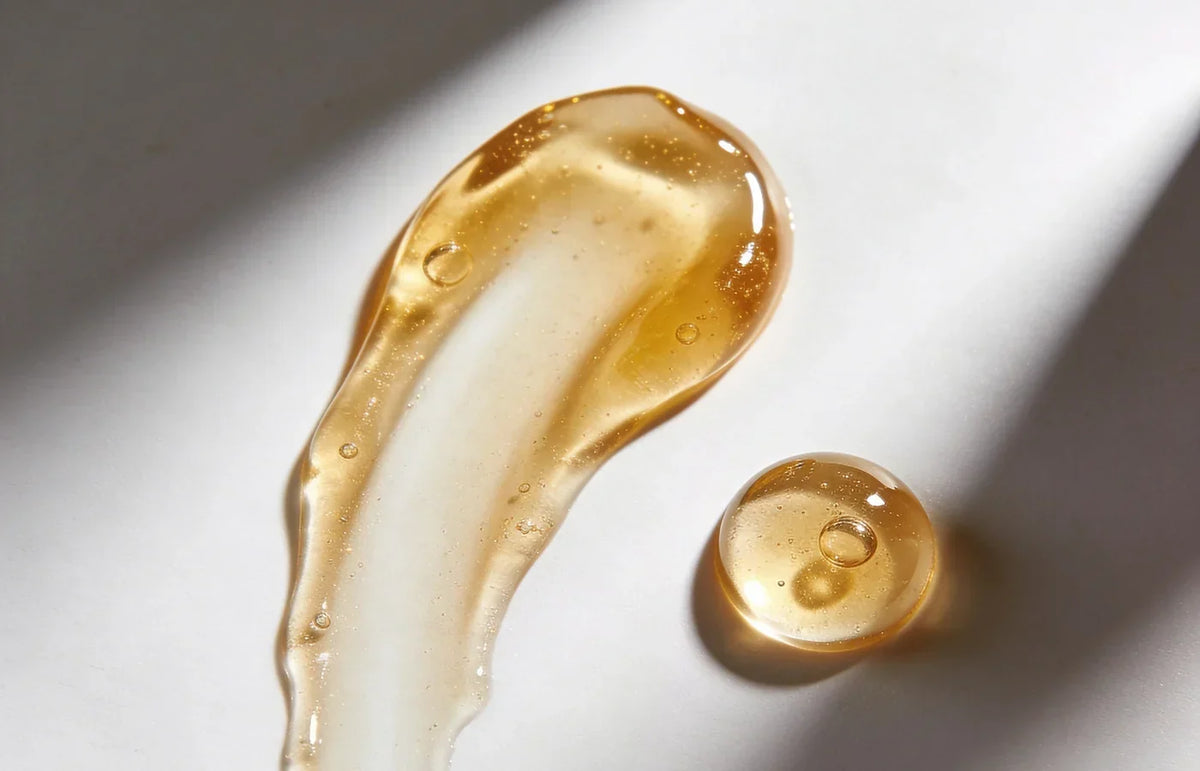
Moisturizing facial skin – what "well-hydrated skin" means and how to achieve it
Moisturizing facial skin is often confused with "greasing" or simply the feeling of comfort after applying cream. In practice, however, it's about maintaining proper epidermal water balance and a stable protective barrier. This epidermal barrier determines whether the skin can retain water, how it reacts to external factors, and how it tolerates skincare.
When skin is dehydrated or has a weakened barrier, a typical set of symptoms appears: tightness, roughness, irritation after washing, redness, a "constant feeling of dryness" despite using cream, and in some people, increased oiliness (oily skin can also be dehydrated). In such situations, simply changing the cream is often not enough – the mechanism needs to be addressed.
Why does skin lose water?
The problem most often results from one or both mechanisms:
1) NMF depletion – meaning less "water binding" in the stratum corneum
NMF (Natural Moisturizing Factor) is a natural set of substances in the epidermis that bind water. When NMF decreases, the skin quickly becomes rougher, less elastic, and more prone to irritation. NMF depletion is often caused by: overly intensive exfoliation, excessive "degreasing" of the skin, irritating treatments, heating season, sun exposure without adequate protection.
2) Increased TEWL – meaning a weakened barrier and greater water loss
TEWL (transepidermal water loss) is the loss of water through the epidermis. When the lipid barrier is compromised, water "escapes" faster, and the skin has less ability to maintain stable hydration. The result? Recurring dryness despite moisturizing, stinging after cosmetics, increased reactivity.
In practice, this means one thing: effective hydration always relies on combining water-binding ingredients with barrier repair.
Photoprotection and hydration – why it makes clinical sense
UV radiation weakens the skin's protective barrier and increases oxidative stress, which in the long run impairs its ability to retain moisture. Skin after sun exposure often looks "better" for a while (the effect of surface drying and tightness), and then dehydration, roughness, and increased reactivity appear.
Therefore, broad-spectrum photoprotection (UVA/UVB) is an element of hydration strategy – especially in patients whose dehydration coexists with redness, discoloration, or hypersensitivity.
In practice, the most common scheme is: moisturizing and barrier-strengthening care + SPF as a permanent part of the morning routine.
What moisturizes facial skin – ingredients that truly matter
In moisturizing care, it's good to think about three groups of ingredients. This organizes product selection and helps avoid impulsive purchases.
1) Humectants – bind water
Humectants are responsible for "retaining water" in the stratum corneum:
-
hyaluronic acid,
-
glycerin,
-
betaine,
-
panthenol,
-
urea (in appropriate concentrations).
These are ingredients that often quickly improve comfort. However, if the barrier is weakened, the effect may be short-lived – which is why you also need the second group.
2) Barrier ingredients – limit TEWL
These "seal" the moisture:
-
ceramides,
-
cholesterol,
-
fatty acids,
-
squalane.
Ceramides are particularly important because they are a structural component of the epidermal barrier. Their role is crucial in dry, dehydrated, and reactive skin.
3) Ingredients supporting skin tolerance and functions
These are not classic "moisturizers" but they affect skin stability:
-
niacinamide (often improves tolerance and supports the barrier),
-
vitamin E (antioxidant support),
-
selected peptides (as an element of improving skin quality parameters).
It is worth noting that "hydration" in terms of skin is not just water. It's a balance: water + an efficient barrier that allows it to be maintained.
How to moisturize skin depending on type and problem?
Oily and combination skin
This skin can also be dehydrated – especially if it has been intensely "degreased" or undergoing anti-acne treatments. Light formulas usually work best: humectants + a barrier component, without heavy occlusion.
Dry and dehydrated skin
Here, a "light cream" is usually not enough. The best effects are achieved by combining humectants with barrier repair (ceramides/lipids). If the skin feels tight again after two hours – it's most often a sign that the barrier is still too weak.
Sensitive and reactive skin
In this group, limiting excess stimuli is key: overly frequent peels, strong detergents, too many active formulas used simultaneously. Simplicity and consistency often win.
Acne-prone skin
Moisturizing is not an "option" but a safety element for the barrier. Acne-prone skin, especially during therapy, can be dry and hyperreactive. In such cases, the choice falls on light, non-comedogenic formulas that support the barrier and skin comfort.
Moisturizing from within – what makes sense and what is a myth
Body hydration and diet do not replace skincare, but they do affect the environment in which the skin functions. In practice, the most "real" are:
-
regular hydration throughout the day,
-
adequate intake of protein and healthy fats,
-
a diet rich in antioxidants,
-
limiting factors that increase dehydration (e.g., alcohol).
This is support that is especially important for people prone to dryness and during periods of increased TEWL (winter, heating, after sun exposure).
What most often spoils the effects of moisturizing?
If a patient says "I moisturize, but my skin is still dry," the reason is usually one of the following:
-
overly aggressive cleansing (detergents, frequent washing, "squeaky clean" feeling),
-
excessive exfoliation,
-
lack of consistent photoprotection,
-
dry air and lack of barrier protection during the heating season,
-
randomly mixing many active cosmetics at once.
In practice, it is often enough to organize cleansing and the barrier for the moisture to "start being retained."
Facial skin moisturizing in the clinic – when does it make sense?
In-office moisturizing and conditioning procedures are a valuable complement when:
-
the skin is chronically dehydrated and reactive,
-
the barrier is weakened after treatments,
-
the patient wants to work on skin quality more intensively than with home care.
The key is to match the treatment to the season, skin type, and tolerance, and to ensure consistency with home care. Without this, the effect can be short-lived.
Effective facial skin moisturizing is not about adding a "stronger cream." It usually requires addressing two areas: water-binding ingredients and barrier repair, which limits TEWL. Photoprotection and gentle cleansing are fundamental elements here – they often determine whether the moisturizing effect lasts all day.
